%20(41).jpg?width=1800&height=850&name=Case%20Study%20-%20(cover%20website-HS)%20(41).jpg)
Transforming Customer Experience: Tigo Guatemala's Success Story
September 23, 2024
September 23, 2024
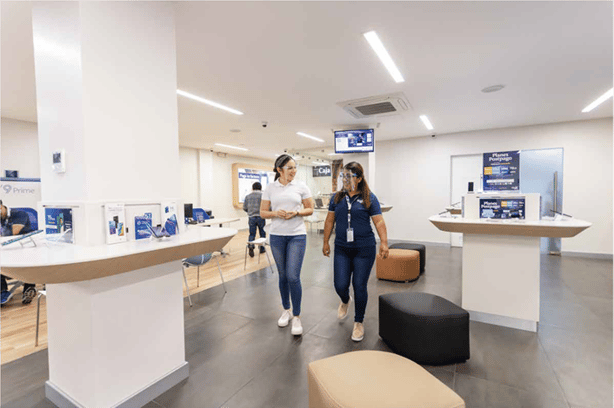
Tigo is the leading telecommunications and digital lifestyle company in Guatemala. Founded in 1990 as the country’s first mobile telephony provider, Tigo has played a major role in the development of mobile communications in Guatemala through continuous innovation and investment. Today, the company operates 41 customer service agencies and serves more than 13 million users.
Tigo Guatemala did not have the required technological tools to control customer entry, queue, and customer satisfaction when they started their business operations.
They decided to implement software that allowed them to create basic organization, however, they realized that the program did not offer the control profile they needed, nor the statistical data required to improve the waiting time, transactions, and the tools for evaluating processes.
It was very important to improve the controls with the contributors, working time, or connection. It was crucial to boosting the transaction’s efficiency, tracking averages in query operations, requirements, claims management, and the sales of the different products offered to customers.
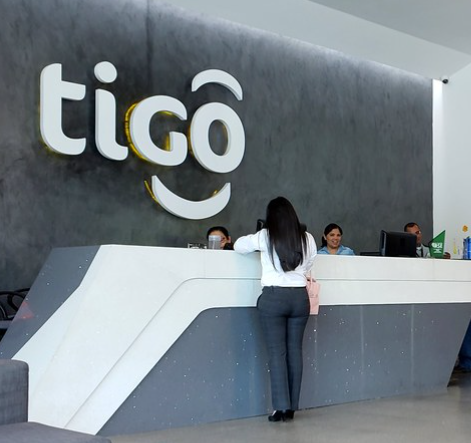
Tigo Guatemala selected ACF Technologies to provide the operational control and visibility tools required to improve customer service management. The ACF platform delivers a user-friendly interface and a comprehensive 360-degree operational view of daily service activities.
When customers enter a store, Tigo agents can use system data and tools to deliver a structured and personalized service experience. Customers join the queue by entering their phone number at a self-service kiosk. This process helps ensure the service experience feels organized and tailored to individual needs.
The system measures wait times, customer arrival volumes, reasons for visits, and service durations. It also provides insight into employee productivity and the most common types of customer inquiries, enabling continuous operational improvements.
ACF Technologies also implemented the Sense Ear recording management service at each service desk. This capability allows conversations to be monitored and recorded, helping Tigo identify opportunities to improve service quality and enhance the customer experience.

Following the implementation of Q-Flow, Tigo projected a Net Promoter Score (NPS) higher than 65 percent, reflecting a significantly improved customer experience during store visits. Q-Flow has become the operational foundation for reporting and analysis across the business.
Tigo has achieved measurable improvements in several operational areas:
The data generated by Q-Flow provides detailed operational insights, including ticket creation, waiting time, service duration, and the classification entered by the service agent. This level of visibility allows Tigo to clearly understand when service occurred, why customers visited, and which staff member assisted each customer.